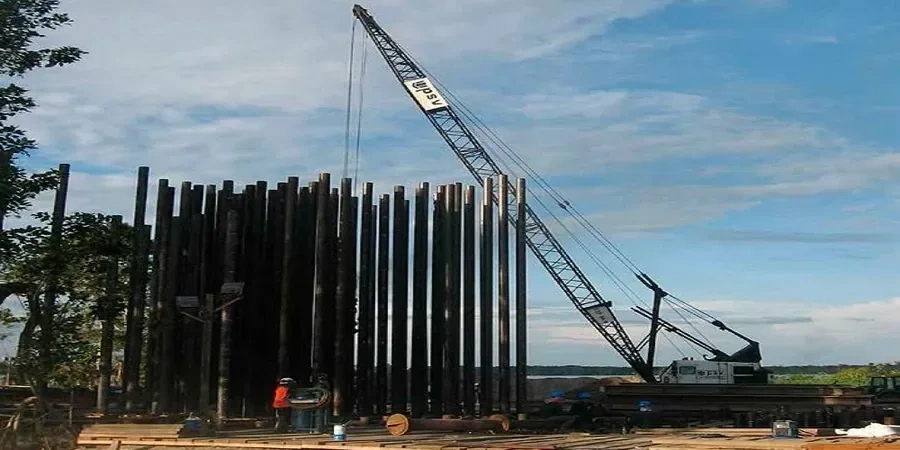
Foundations are the critical interface between a structure and the ground, transferring loads safely and preventing differential movements that compromise integrity. In Anaheim, where development spans from residential neighborhoods to large commercial and entertainment districts, robust foundation engineering is essential to avoid costly repairs and ensure long-term stability. This category covers the analysis, design, and evaluation of foundation systems tailored to local soil conditions, including differential settlement analysis and bearing capacity analysis, which directly address the region's geotechnical challenges.
Anaheim sits within the Peninsular Ranges geomorphic province, underlain by alluvial fans, ancient river deposits, and occasional bedrock outcrops. The shallow soils often consist of loose sands, silts, and clays with variable density and moisture content, leading to potential issues like collapsible soils and uneven settlement. Deep alluvial sequences can exceed 100 meters in some areas, while perched groundwater tables fluctuate seasonally. These conditions demand site-specific evaluations, such as collapsible soil evaluation, to predict soil behavior under load and moisture changes, directly influencing foundation type selection—whether shallow spread footings or deep pile systems.
All foundation work in Anaheim must comply with the California Building Code (CBC), which references the International Building Code (IBC) with state-specific amendments for seismic design. The CBC mandates geotechnical investigations per Chapter 18, including soil classification, groundwater monitoring, and settlement estimates. For seismic zones, the code requires seismic foundation design to resist lateral forces from earthquake shaking, particularly in areas with liquefaction potential. Local municipalities may also enforce stricter grading ordinances, especially near slopes or filled lands, making professional geotechnical oversight non-negotiable for permit approval.
Projects requiring foundation expertise in Anaheim include single-family homes on variable alluvium, multi-story commercial buildings near the Anaheim Resort district, and infrastructure like bridges or retaining walls along the Santa Ana River corridor. Industrial facilities, schools, and mixed-use developments also rely on accurate settlement predictions and pile design to meet performance criteria. For example, driven pile design is often specified where shallow soils lack bearing capacity, while pile skin friction vs. end bearing analysis determines optimal pile depth and load distribution in layered strata.
The most common foundation types in Anaheim include shallow spread footings for light structures on competent soils, and deep foundations such as driven piles or drilled shafts for heavier buildings or where loose alluvium extends deep. Selection depends on soil bearing capacity, settlement tolerance, and seismic requirements per the California Building Code.
Anaheim's alluvial soils, with variable density and potential for collapse when wetted, require careful settlement and bearing capacity analyses. Perched groundwater and liquefaction risks during earthquakes also influence design, often necessitating deep foundations or ground improvement to ensure stability and meet code-mandated performance.
Foundation construction in Anaheim is governed by the California Building Code (CBC), which adopts the International Building Code (IBC) with state-specific seismic and geotechnical provisions. Local amendments may address grading, excavation, and soil report requirements, and all projects must comply with Chapter 18 on soils and foundations.
Differential settlement analysis is crucial in Anaheim because variable alluvial deposits can cause uneven soil compression under load, leading to structural cracks, misaligned doors, and foundation failure. Identifying potential differential movement early allows engineers to design foundations that distribute loads uniformly or specify deep foundations to bypass problematic layers.